
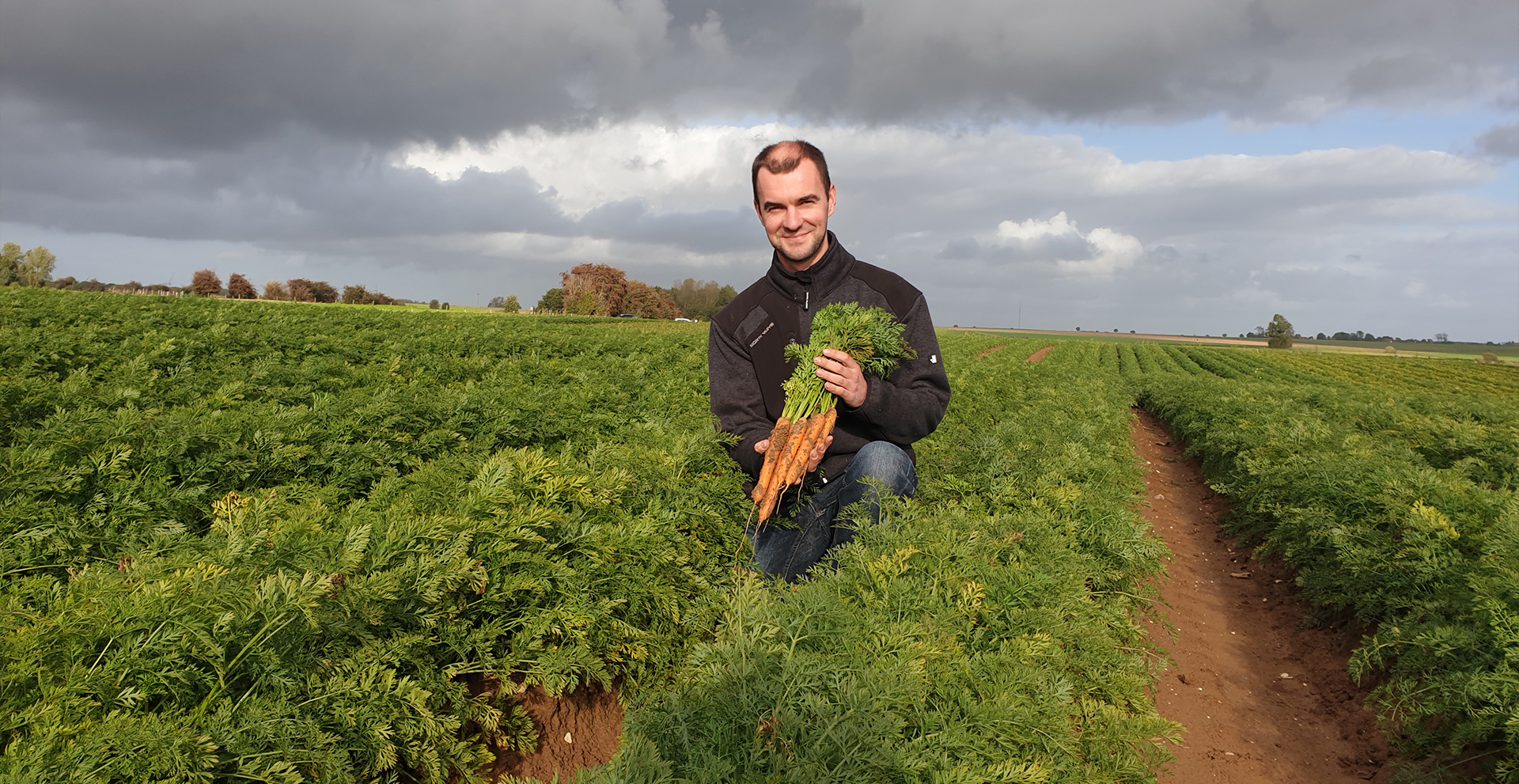
IPP & Phalempin Market Partnership: 20 Years of Sustainable Pallet Pooling
In summary Nearly 20 years of a sustainable partnership 240 producers supported 50,000 tonnes of fruits and vegetables marketed each year A circular logistics model combining performance and sustainability For almost 20 years, IPP Pooling and Le Marché de Phalempin have built a partnership based on logistics performance, transparency, and the circular economy. A long-term collaboration that demonstrates how logistics can become a true lever for competitiveness and sustainability in the fruit and vegetable sector.

Sustainable pallet pooling to reduce CO₂ across supply chains
On International Reducing CO₂ Emissions Day, attention turns to how organisations can take meaningful action to cut emissions.

The new edition of our Employee Branding magazine, Your Impact, is here
IPP has published a new edition of Your Impact, our dedicated magazine for future employees.
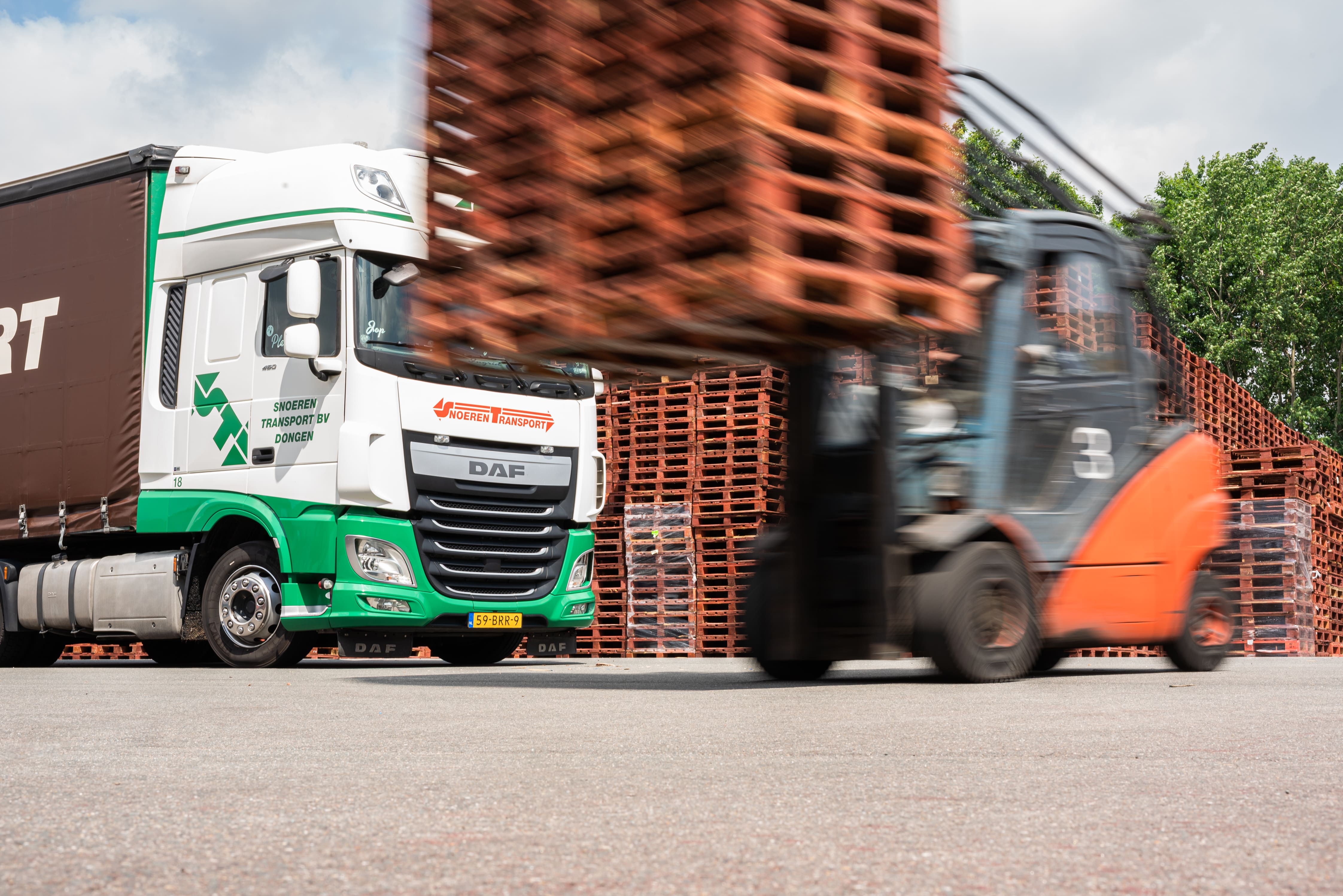
How to load a pallet
Knowing how to load a pallet correctly is essential, even if it feels like a routine part of daily operations. At IPP, our pallet pooling network is designed to support and strengthen your supply chain.
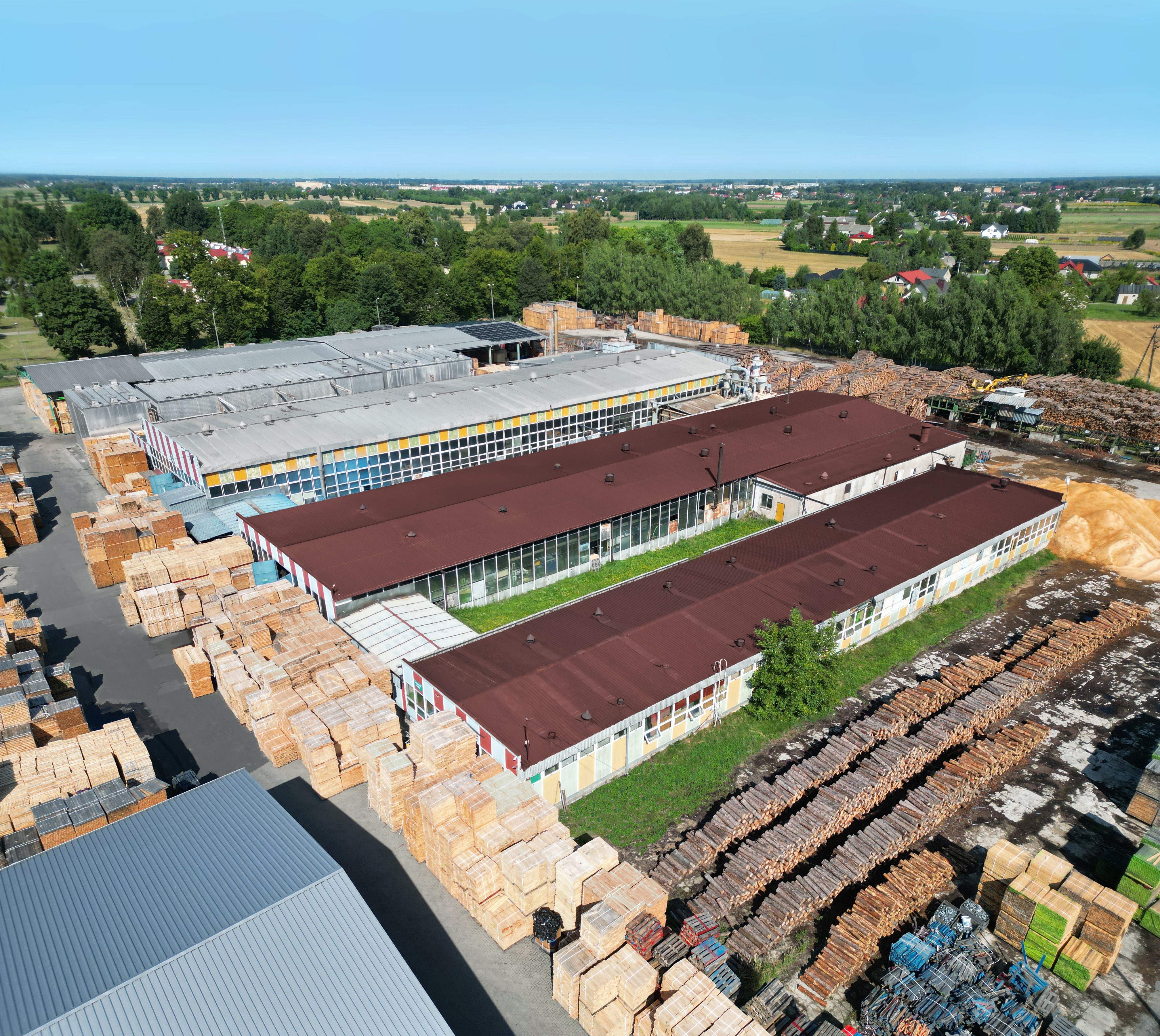
Building sustainability from the source
At IPP, responsible sourcing is where sustainability truly begins. Every pallet we provide is part of a bigger story – one that starts with the wood, the people, and the partnerships behind it.

WHY SUBSIDISING HVO NEEDS TO BE PART OF CARBON-REDUCING ‘FIVE A DAY’
IPP’s regional managing director Andy Maddock argues for more carrot than stick in helping businesses cut CO2

How to choose the right pallet pooling partner
When selecting a pallet supplier, supply chain managers must consider a multitude of factors. Choosing the right pallet network partner is a critical decision that can directly impact your business’ efficiency, costs and customer satisfaction.
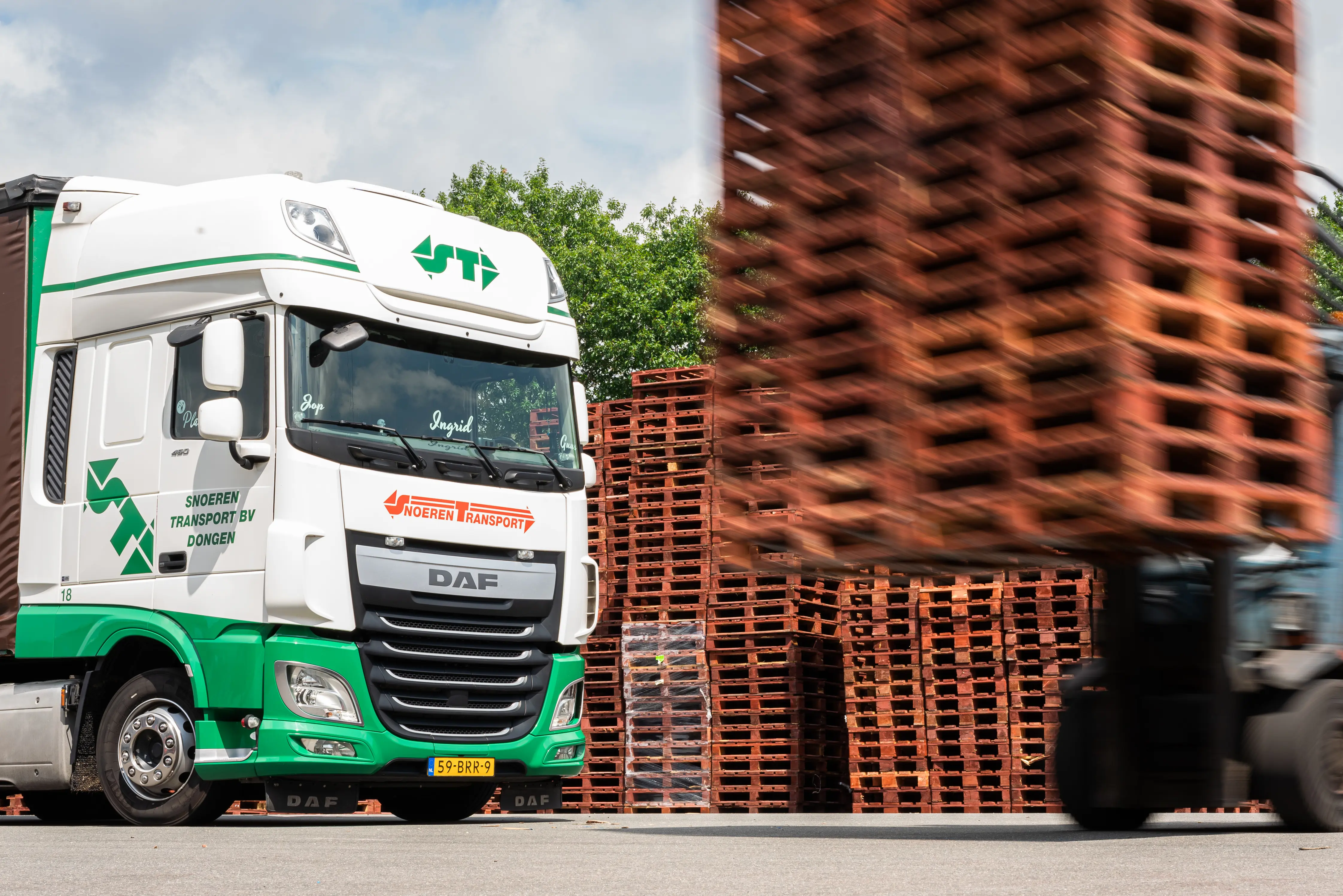
How can pallet pooling become more sustainable on the road?
At IPP, we believe the answer lies in intelligent transport: combining data, collaboration, and cleaner fuels to move goods efficiently while reducing emissions across Europe.